Shanghai, China
+86-17317656853
inquiry@cgprotection.com

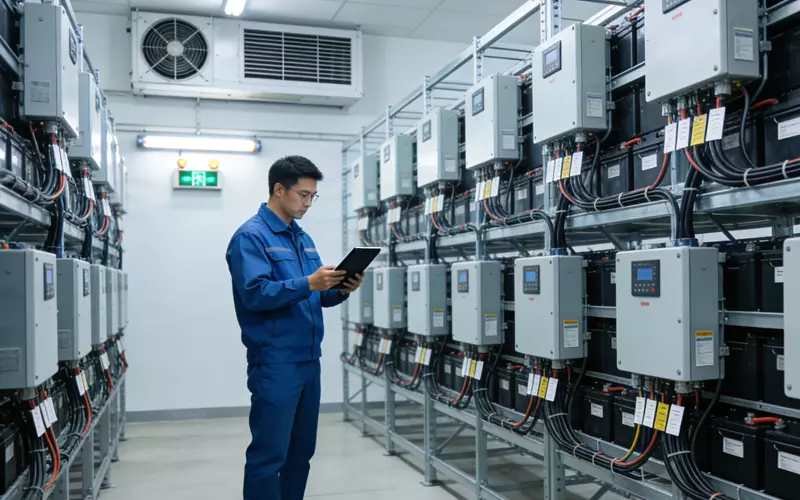
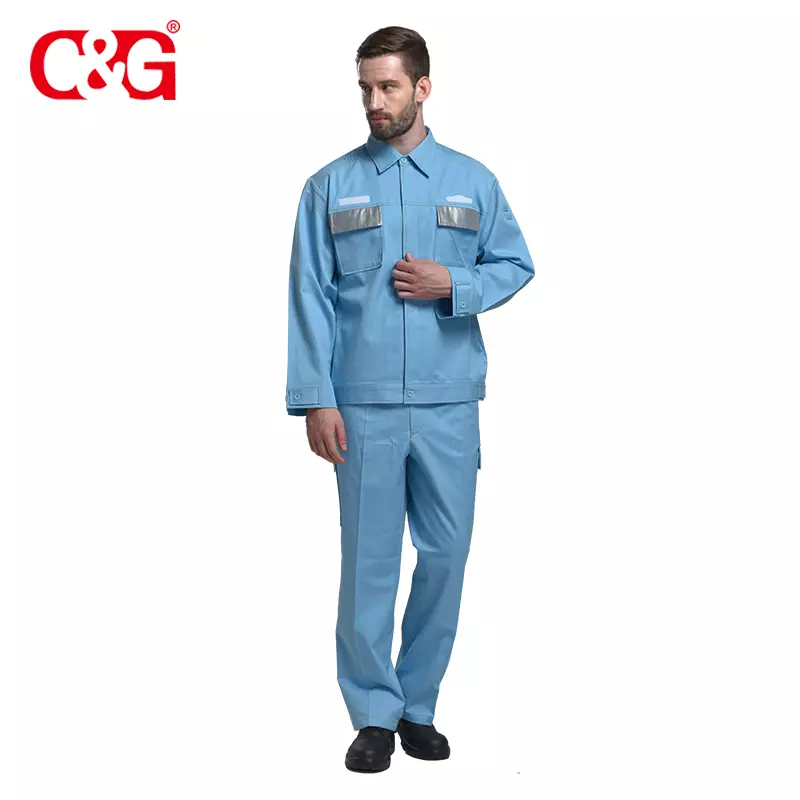
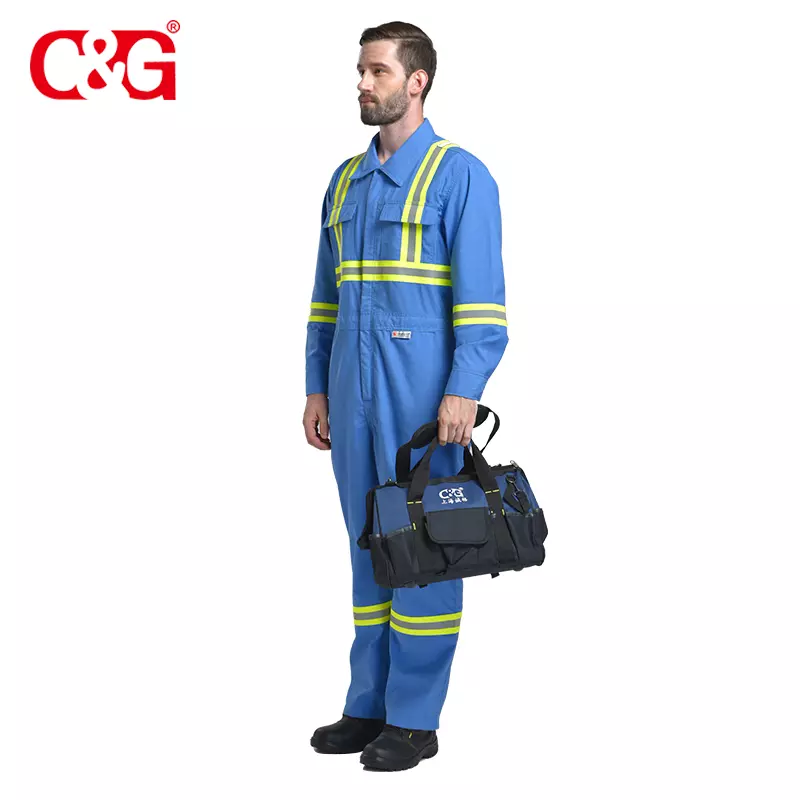
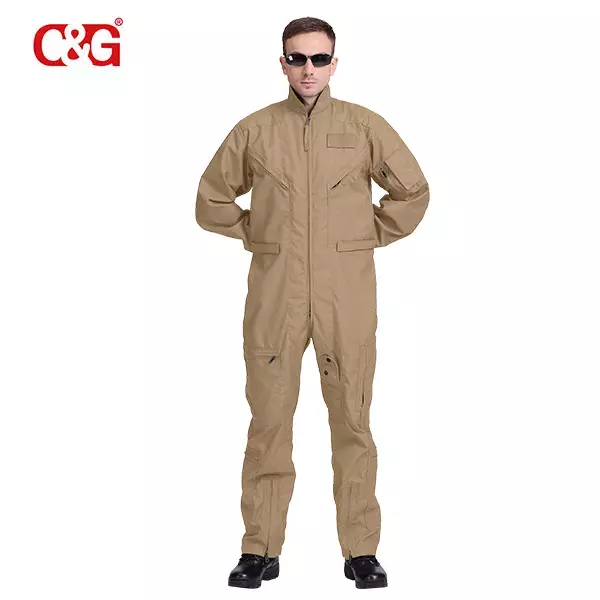
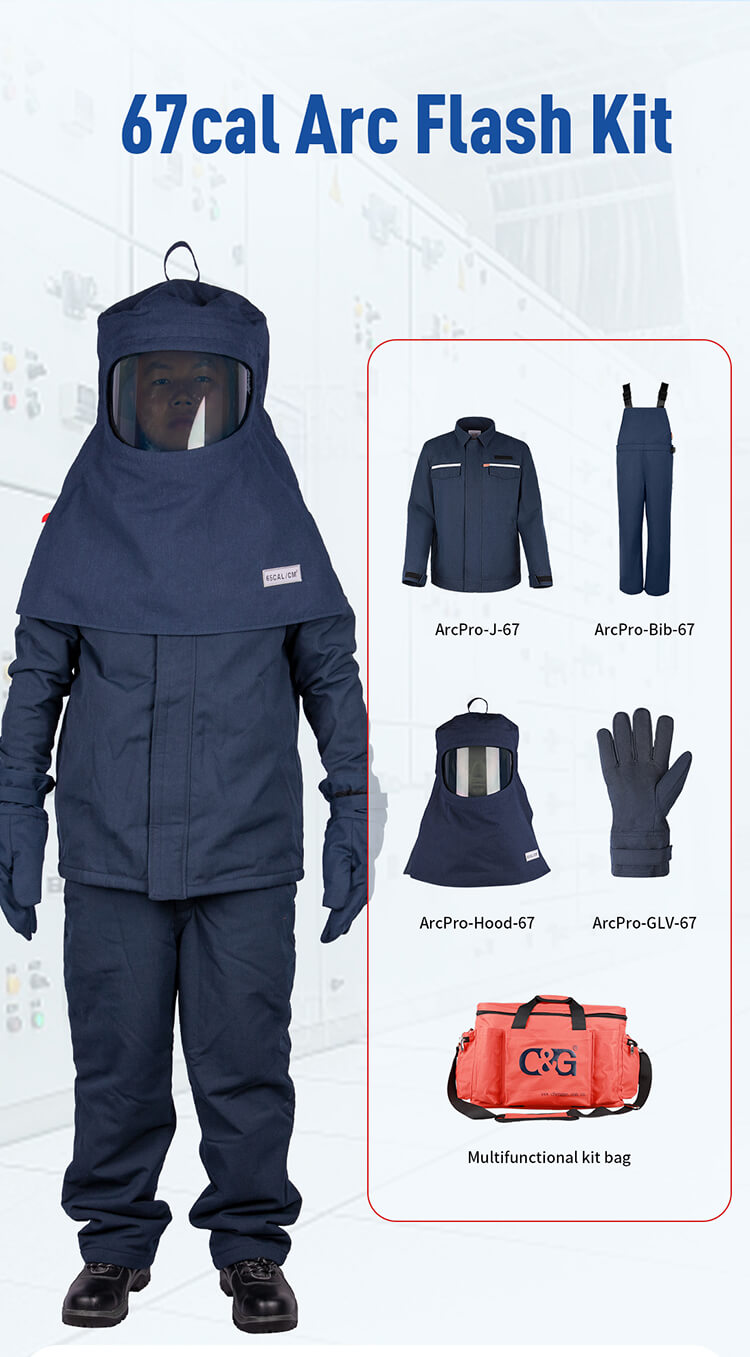
Arc flash clothing is traditionally evaluated based on its thermal protective performance, such as ATPV or EBT ratings. However, in real-world applications, ergonomic design is equally critical. A garment that restricts movement, creates pressure points, or induces fatigue can indirectly increase operational risk. Modern arc-rated clothing must therefore achieve a balance between protection, mobility, and wearability.
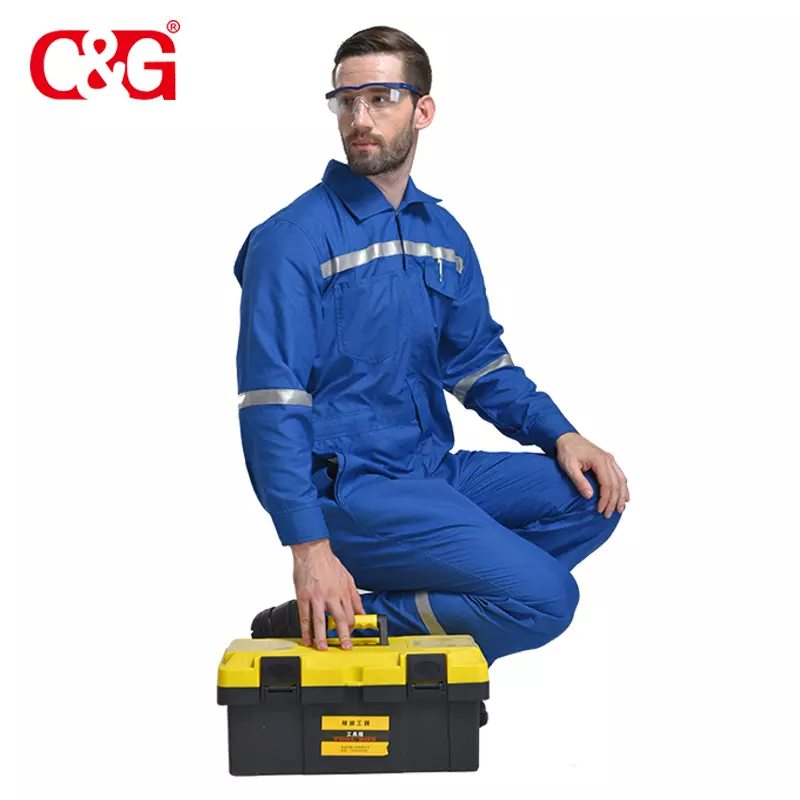
Electrical work often involves climbing, reaching, bending, and working in confined or elevated spaces. Poorly designed garments can lead to:
Ergonomic optimization ensures that protective clothing supports natural body movement, enabling workers to perform tasks efficiently while maintaining full protection coverage.
Traditional flat-pattern garments fail to account for the human body’s dynamic posture. Advanced arc flash clothing adopts 3D ergonomic patterning:
These design elements reduce mechanical stress on both the garment and the wearer.
Fit is a critical ergonomic parameter in arc-rated clothing:
An optimal fit maintains a controlled air layer between the garment and the skin, which contributes to thermal insulation during an arc event, while still allowing unrestricted movement.
Arc flash garments, especially higher PPE categories, can be relatively heavy. Poor weight distribution can lead to localized fatigue, particularly in the shoulders and lower back.
Ergonomic solutions include:
Efficient load management improves endurance during long-duration tasks.
Seams can become sources of discomfort or even injury if placed in high-friction or load-bearing areas.
Best practices include:
This approach enhances long-term wear comfort, especially in repetitive motion scenarios.
While arc flash protection focuses on external thermal hazards, internal heat stress is also a major concern.
Ergonomic design addresses this through:
Maintaining a stable microclimate inside the garment helps reduce fatigue and improves cognitive performance.
Arc flash clothing must function as part of a larger PPE system, including helmets, gloves, harnesses, and footwear.
Ergonomic integration ensures:
A well-integrated system reduces adjustment needs and enhances operational efficiency.
Modern ergonomic improvements are increasingly driven by field data and user feedback:
This user-centered approach ensures that design decisions are grounded in actual operational demands rather than theoretical assumptions.
Ergonomic design in arc flash clothing is not an aesthetic consideration—it is a functional necessity. By aligning garment construction with human biomechanics, manufacturers can significantly enhance mobility, comfort, and compliance, without compromising protective performance.
In high-risk electrical environments, the effectiveness of protective clothing depends not only on its material properties, but also on how well it works with the human body. A truly advanced arc flash garment is one that workers can rely on—not just for protection, but for performance.
Tags:
Shanghai C&G's personal protective clothing and PPE products are trusted by customers in the world. Our products are exported worldwide, with a strong presence in the United States, China, Japan, Germany, the United Kingdom, India, France, Italy, Brazil, and Canada. In addition, we have a significant customer base in other countries across each continent, including Australia, New Zealand, South Africa, Nigeria, and Egypt in Africa; Argentina, Chile, and Mexico in South America; Russia, South Korea, and Indonesia in Asia; Spain, Poland, and Turkey in Europe; and Saudi Arabia and the United Arab Emirates in the Middle East. Wherever you are in the world, we have the products you need to stay safe and protected. Contact us today to learn more about our products and how we can help you meet your safety needs.









Shanghai C&G is committed to building a leading brand in the safety emergency industry with technological innovation as the core and sustainable development, providing customers with one-stop safety emergency solutions, escorting the safety of customers, and make the world safer!
Building 39, Lane 123, Shenmei Road, Pudong New District, Shanghai, China
inquiry@cgprotection.com
+86-21-38214394


© 2023 Shanghai C&G. All Rights Reserved.