Shanghai, China
+86-17317656853
inquiry@cgprotection.com

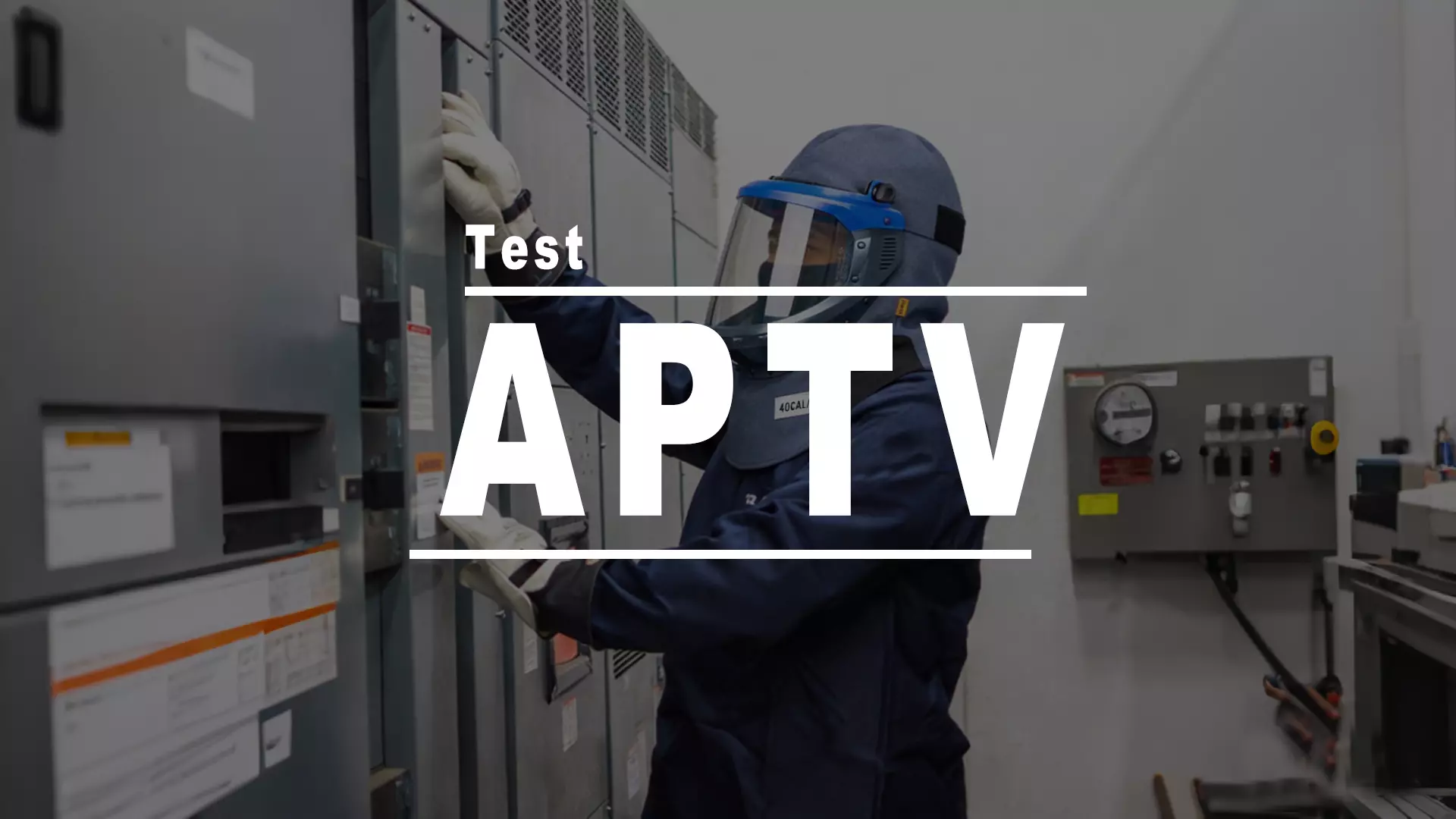
Arc Thermal Performance Value (ATPV) is one of the most critical indicators used to evaluate the protective capability of arc-rated fabrics and garments. It represents the incident energy level (cal/cm²) at which there is a 50% probability of causing a second-degree burn through the material. Understanding how ATPV testing is conducted provides essential insight into how arc flash clothing is engineered, validated, and selected for real-world applications.
ATPV testing is designed to simulate the thermal effects of an arc flash event on protective materials. The objective is to determine how much incident energy a fabric can withstand before sufficient heat is transferred through it to cause skin injury.
This test is not about whether a fabric ignites, but rather how effectively it insulates against thermal energy transfer.
ATPV testing is primarily conducted according to internationally recognized standards such as:
These standards define the test setup, procedures, sensor calibration, and data interpretation methods.
The ATPV test is performed in a controlled laboratory environment using specialized equipment:
a. Arc Generation System
A high-current electrical arc is generated between electrodes to simulate an arc flash. The energy level is carefully controlled and varied across multiple tests.
b. Fabric Sample Mounting
Fabric specimens are mounted in front of the arc source at a fixed distance. The setup ensures consistent exposure conditions.
c. Calorimeters (Heat Sensors)
Copper calorimeters are placed behind the fabric samples to measure the amount of heat energy transmitted through the material.
d. Data Acquisition System
Sensors record temperature rise over time, allowing precise calculation of heat transfer.
The ATPV test involves multiple exposures at different energy levels:
This process is repeated across a range of energy levels to generate a dataset.
The collected data is analyzed using statistical methods:
This probabilistic approach ensures a scientifically robust and repeatable result.
During testing, another value may be observed:
If fabric breakopen occurs before reaching the ATPV threshold, the EBT value is used as the final arc rating.
In practice:
Arc Rating = the lower of ATPV or EBT
While ATPV is a critical metric, it has certain limitations:
Therefore, ATPV should be considered as part of a comprehensive PPE selection strategy, not the sole criterion.
Understanding ATPV helps safety professionals:
A higher ATPV generally indicates better thermal protection, but must be balanced with comfort, weight, and usability.
ATPV testing is a scientifically rigorous process that quantifies how effectively a fabric can protect against arc flash thermal energy. By simulating real arc conditions and measuring heat transfer through materials, it provides a reliable benchmark for evaluating protective performance.
However, true safety depends not only on the ATPV value, but also on proper garment design, correct usage, and integration within a complete protective system.
In arc flash protection, numbers matter—but understanding what they mean matters even more.
Tags:

Shanghai C&G's personal protective clothing and PPE products are trusted by customers in the world. Our products are exported worldwide, with a strong presence in the United States, China, Japan, Germany, the United Kingdom, India, France, Italy, Brazil, and Canada. In addition, we have a significant customer base in other countries across each continent, including Australia, New Zealand, South Africa, Nigeria, and Egypt in Africa; Argentina, Chile, and Mexico in South America; Russia, South Korea, and Indonesia in Asia; Spain, Poland, and Turkey in Europe; and Saudi Arabia and the United Arab Emirates in the Middle East. Wherever you are in the world, we have the products you need to stay safe and protected. Contact us today to learn more about our products and how we can help you meet your safety needs.











Shanghai C&G is committed to building a leading brand in the safety emergency industry with technological innovation as the core and sustainable development, providing customers with one-stop safety emergency solutions, escorting the safety of customers, and make the world safer!
Building 39, Lane 123, Shenmei Road, Pudong New District, Shanghai, China
inquiry@cgprotection.com
+86-21-38214394


© 2023 Shanghai C&G. All Rights Reserved.