Shanghai, China
+86-17317656853
inquiry@cgprotection.com


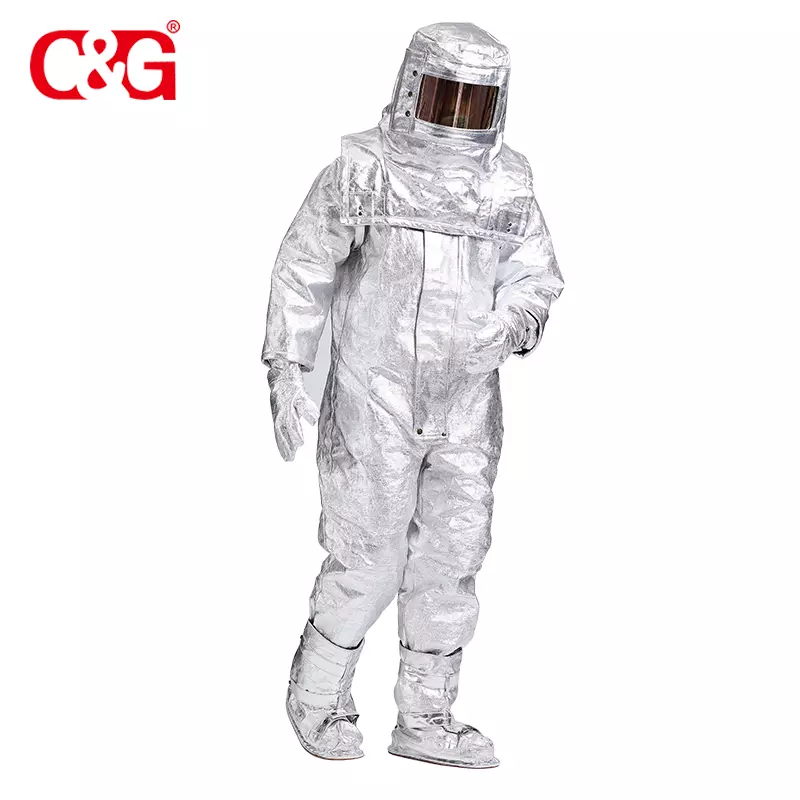
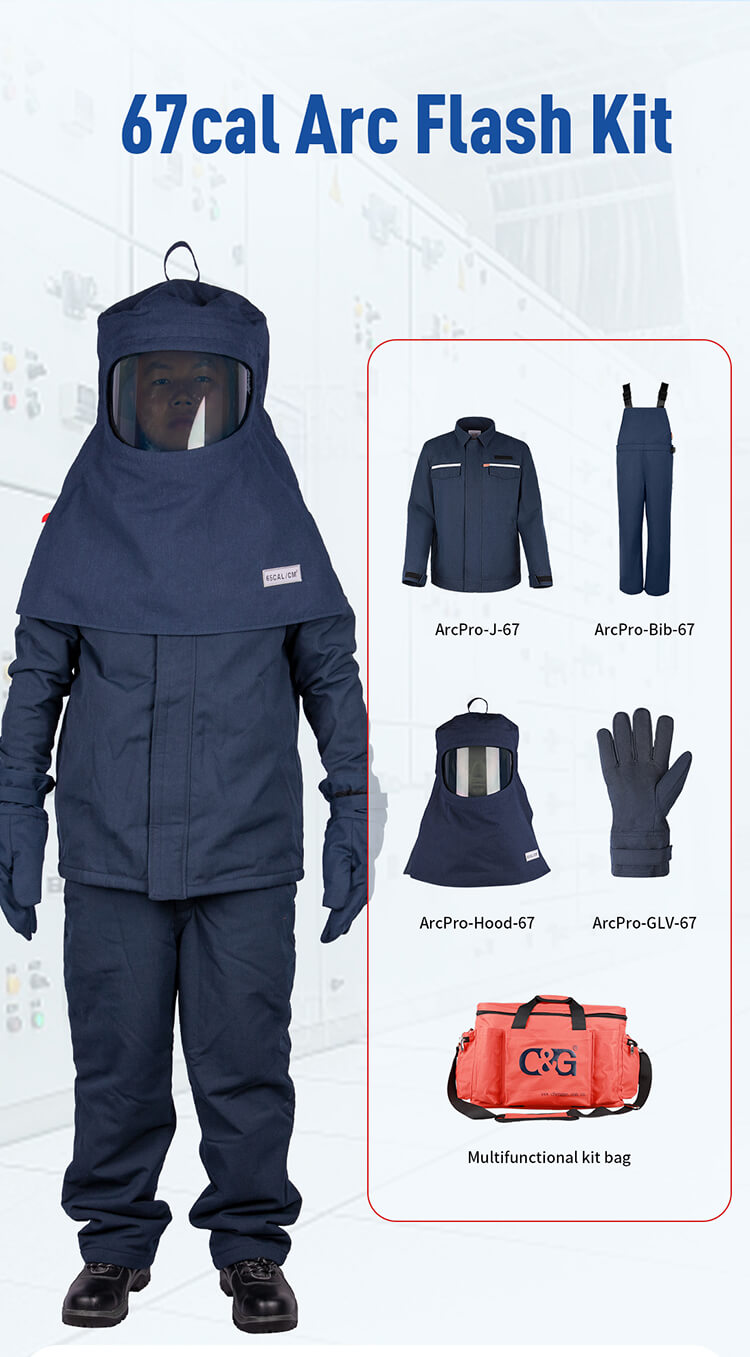
Working in high-temperature environments presents a dual challenge: electrical safety risks and heat stress. During summer operations, wearing an arc flash suit or arc-rated clothing is essential for protection, but improper management can lead to fatigue, reduced efficiency, and even heat-related illnesses.
Therefore, effective wearing management is critical to ensure both safety compliance and worker performance.
Arc flash PPE is designed to provide thermal protection by:
However, these same features can:
In hot environments, this can lead to:
The key is not to reduce protection, but to optimize how the arc flash suit is worn and managed.
Workers should wear lightweight, moisture-wicking arc-rated undergarments beneath the arc flash suit.
Benefits include:
Avoid:
Do not wear arc-rated clothing too tightly.
Proper fit ensures:
An overly tight arc flash suit reduces both protection and comfort.
Implement structured work-rest cycles based on temperature and workload.
For example:
Rotate workers between:
This reduces continuous heat load on any single worker.
Workers should:
Dehydration significantly increases heat stress risk.
Supervisors should watch for:
These may indicate heat exhaustion or heat stroke, requiring immediate action.
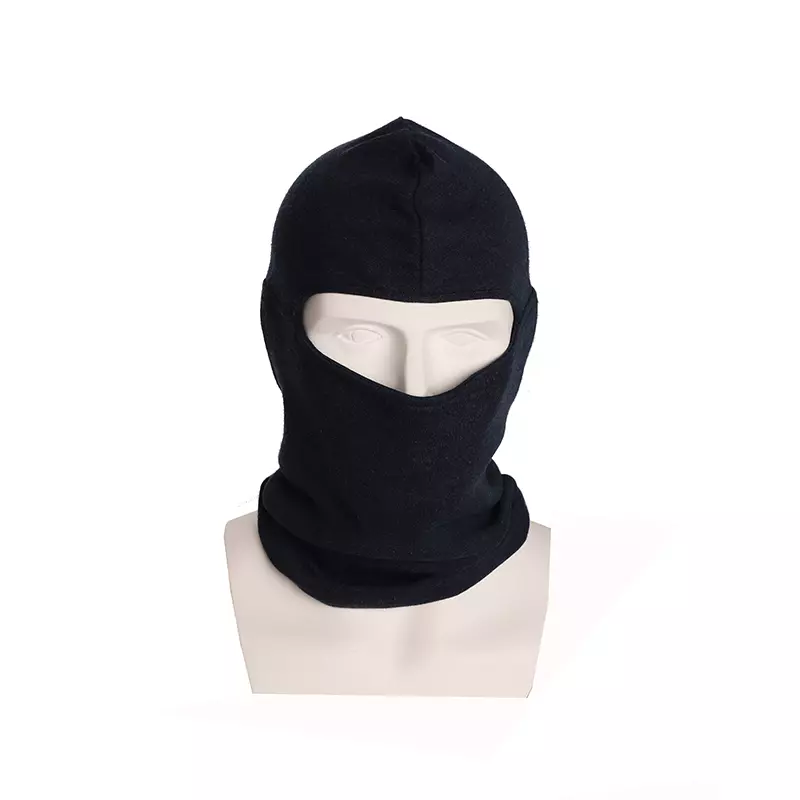
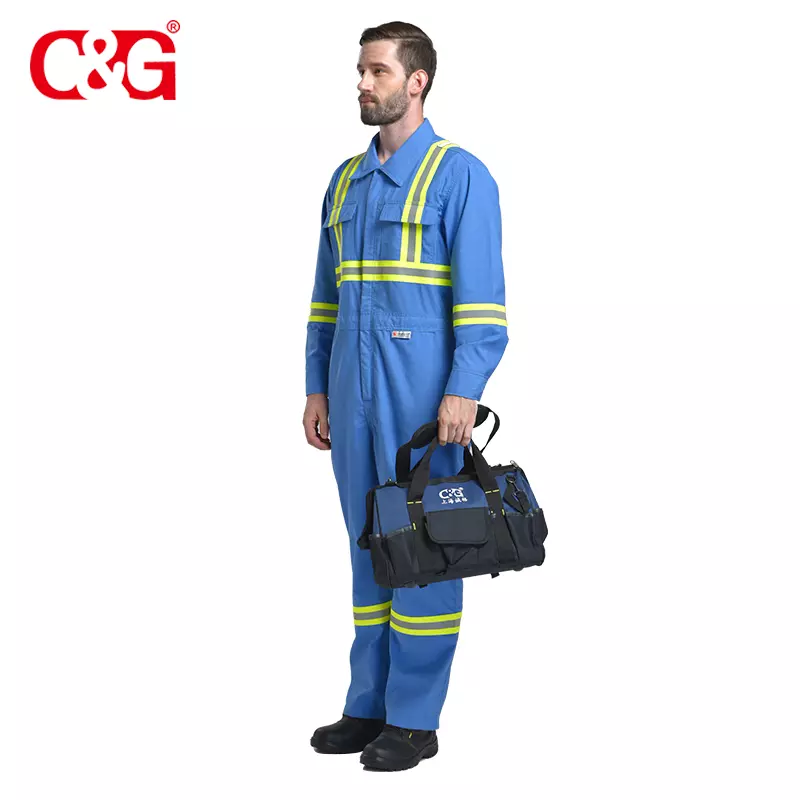
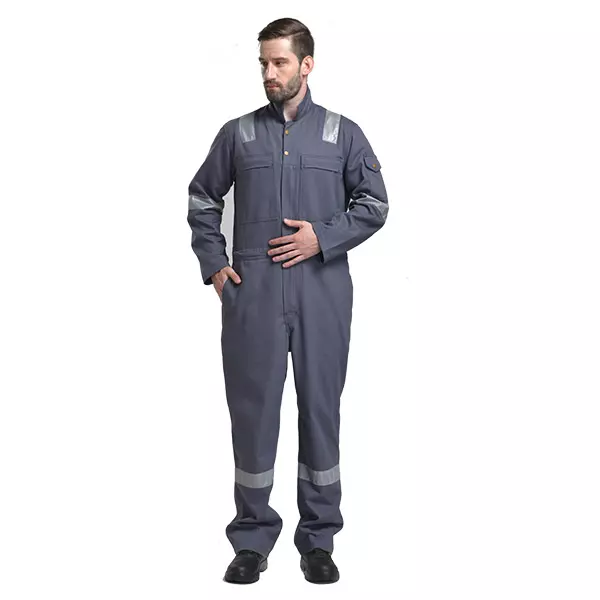
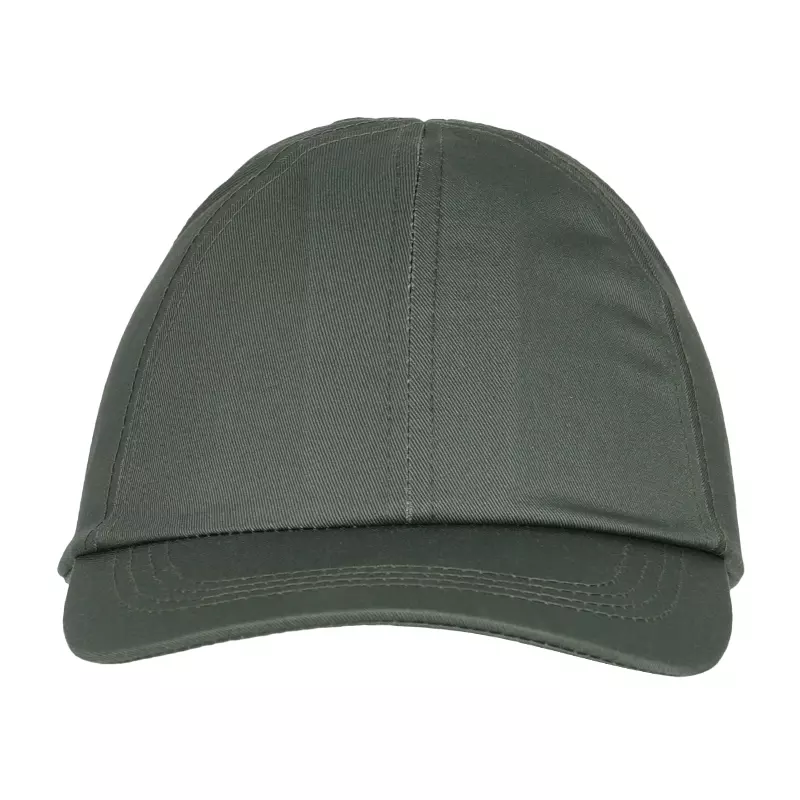
Modern arc flash suits may include:
Selecting the right garment significantly improves summer comfort.
Some arc-rated clothing includes:
These features enhance airflow without compromising protection.
Even in hot conditions, workers must:
Partial wearing reduces protection and creates exposure points.
Common mistakes include:
These actions compromise arc flash protection and should be strictly avoided.
High temperatures and sweat can accelerate fabric wear.
Recommendations:
Clean garments maintain both protective performance and comfort.
Workers must understand that:
Regular training should include:
Managing arc flash clothing in summer is about balancing thermal protection and human tolerance.
An arc flash suit provides critical protection against electrical hazards, but its effectiveness depends on proper use and management.
By implementing:
organizations can ensure that workers remain both protected and operational, even in extreme heat conditions.
Because in high-risk environments,
safety is not just about what you wear—
it’s about how you wear it.
Tags:
Shanghai C&G's personal protective clothing and PPE products are trusted by customers in the world. Our products are exported worldwide, with a strong presence in the United States, China, Japan, Germany, the United Kingdom, India, France, Italy, Brazil, and Canada. In addition, we have a significant customer base in other countries across each continent, including Australia, New Zealand, South Africa, Nigeria, and Egypt in Africa; Argentina, Chile, and Mexico in South America; Russia, South Korea, and Indonesia in Asia; Spain, Poland, and Turkey in Europe; and Saudi Arabia and the United Arab Emirates in the Middle East. Wherever you are in the world, we have the products you need to stay safe and protected. Contact us today to learn more about our products and how we can help you meet your safety needs.








Shanghai C&G is committed to building a leading brand in the safety emergency industry with technological innovation as the core and sustainable development, providing customers with one-stop safety emergency solutions, escorting the safety of customers, and make the world safer!
Building 39, Lane 123, Shenmei Road, Pudong New District, Shanghai, China
inquiry@cgprotection.com
+86-21-38214394


© 2023 Shanghai C&G. All Rights Reserved.