Shanghai, China
+86-17317656853
inquiry@cgprotection.com

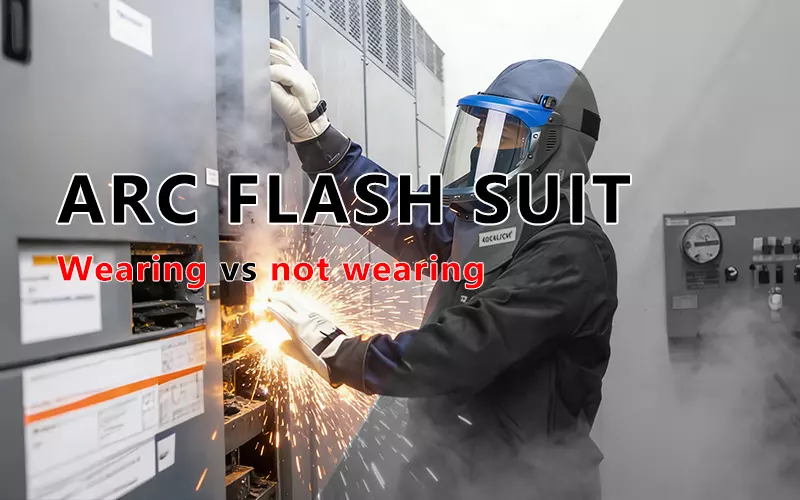
Arc flash incidents are among the most severe hazards in electrical environments. Within milliseconds, an arc flash can release extreme heat, intense light, explosive pressure, and molten metal, creating life-threatening conditions.
The difference between wearing proper arc flash PPE, such as an arc flash suit, and having no protection at all is not marginal—it is often the difference between survivable injury and catastrophic harm.
An arc flash event can generate:
Human skin, unprotected, can reach second- or third-degree burn thresholds in less than a second.
In this context, protection is not optional—it is critical.
When a worker is exposed to an arc flash without proper PPE, the consequences are often severe and immediate.
Without an arc flash suit, heat energy directly impacts the skin, resulting in:
Synthetic everyday clothing may:
Non-FR clothing can ignite and continue burning even after the arc has ceased, leading to:
Arc blast pressure can cause:
Without protective structure, clothing offers no resistance to blast forces, leaving the body fully exposed.
Molten copper or aluminum particles can:
Unprotected workers have no barrier against these hazards.
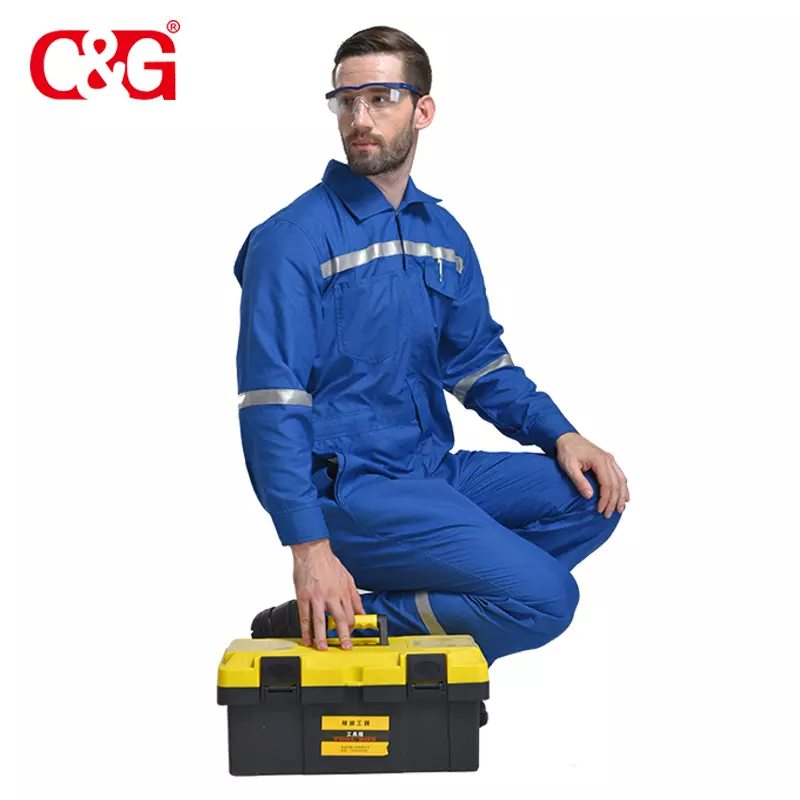
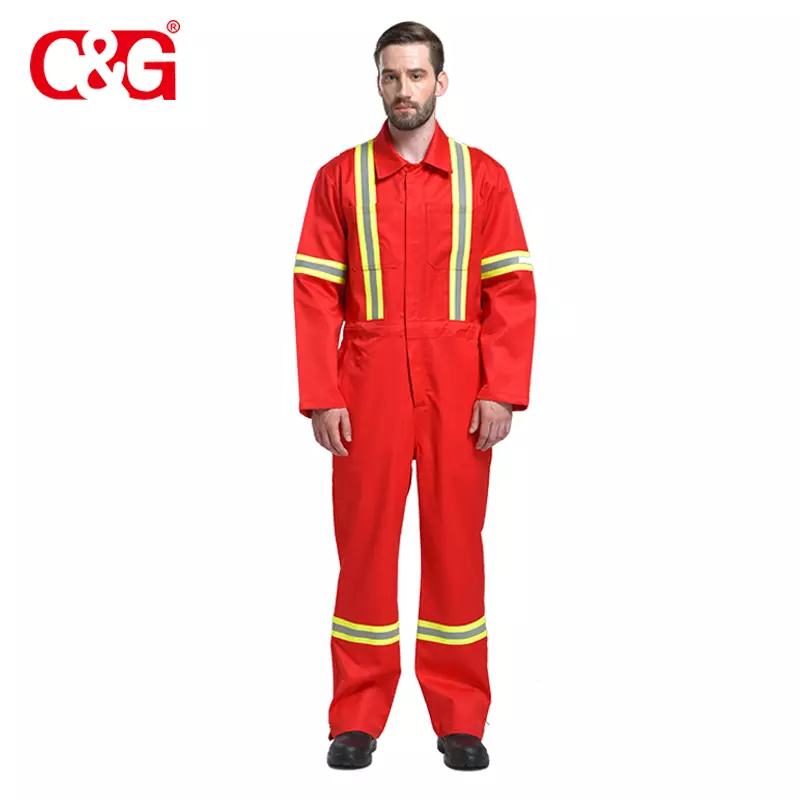
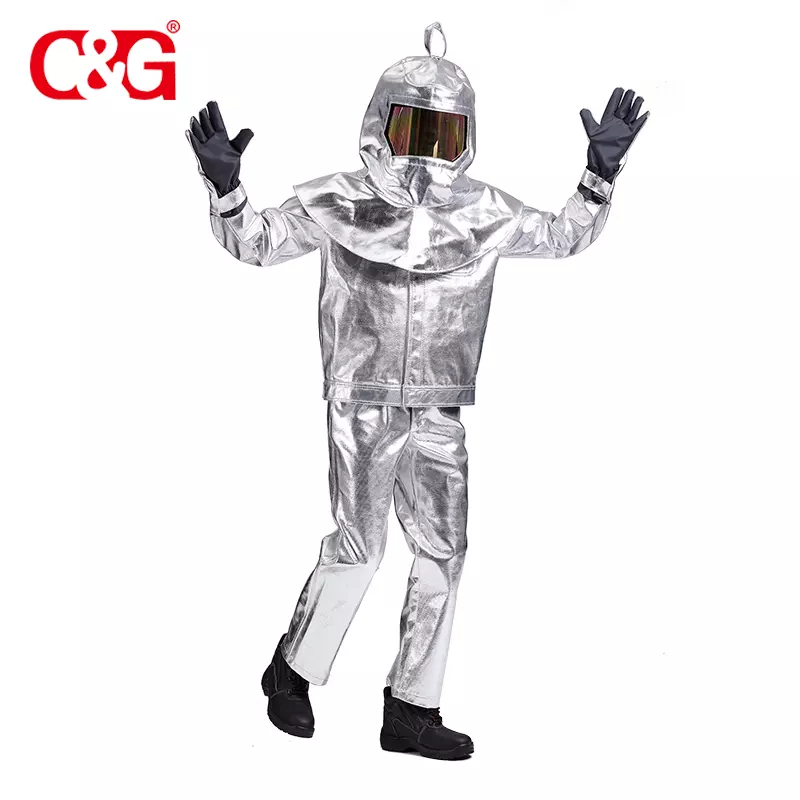
When proper arc flash PPE, including an arc flash suit, is worn, the outcome of the same incident changes significantly.
Arc-rated fabrics are designed to:
Instead of direct exposure, the fabric:
This can reduce injuries from severe burns to minor or survivable levels.
An arc flash suit prevents:
This significantly lowers the risk of complications.
While PPE cannot eliminate blast force, it helps by:
This contributes to improved survivability.
Arc-rated outer layers are designed to:
This reduces localized burn injuries caused by molten metal.
The key difference between protected and unprotected exposure lies in time.
An arc flash suit does not eliminate energy—it delays its effect.
This delay:
In arc flash incidents, even a fraction of a second can determine the outcome.
Arc-rated PPE is tested using measurable standards such as:
These ratings define how much incident energy a garment can withstand before causing a second-degree burn.
Without such protection, the human body is directly exposed to full incident energy.
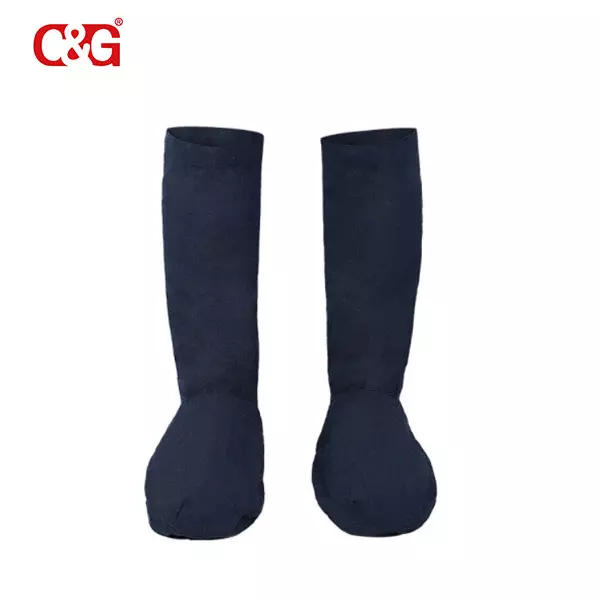
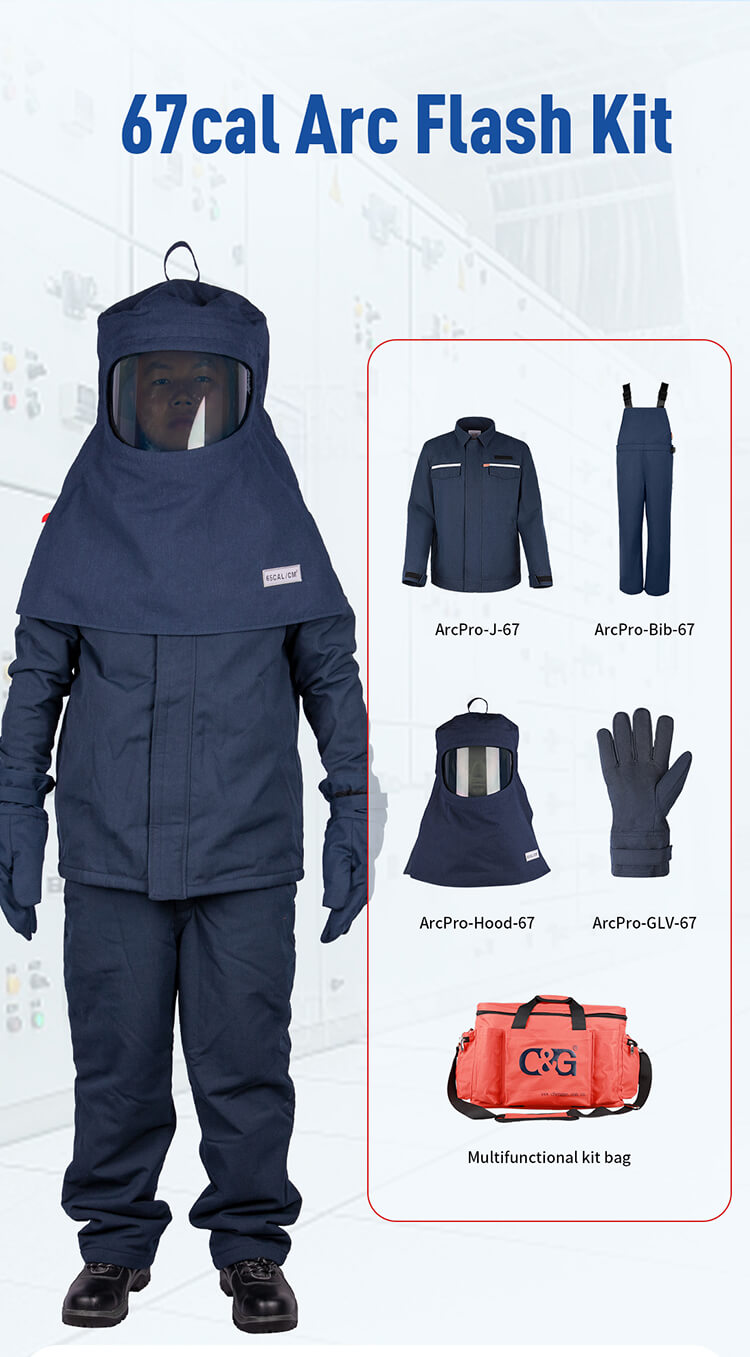
Effective protection requires a complete system, including:
Partial protection leaves critical areas exposed, reducing overall effectiveness.
The difference between protected and unprotected exposure in an arc flash incident is profound:
An arc flash suit does not make the wearer immune to danger.
But it transforms an uncontrolled, catastrophic event into a manageable and survivable incident.
In high-risk electrical environments,
the absence of proper protection is not just a vulnerability—
it is a direct path to severe injury.
Tags:
Shanghai C&G's personal protective clothing and PPE products are trusted by customers in the world. Our products are exported worldwide, with a strong presence in the United States, China, Japan, Germany, the United Kingdom, India, France, Italy, Brazil, and Canada. In addition, we have a significant customer base in other countries across each continent, including Australia, New Zealand, South Africa, Nigeria, and Egypt in Africa; Argentina, Chile, and Mexico in South America; Russia, South Korea, and Indonesia in Asia; Spain, Poland, and Turkey in Europe; and Saudi Arabia and the United Arab Emirates in the Middle East. Wherever you are in the world, we have the products you need to stay safe and protected. Contact us today to learn more about our products and how we can help you meet your safety needs.










Shanghai C&G is committed to building a leading brand in the safety emergency industry with technological innovation as the core and sustainable development, providing customers with one-stop safety emergency solutions, escorting the safety of customers, and make the world safer!
Building 39, Lane 123, Shenmei Road, Pudong New District, Shanghai, China
inquiry@cgprotection.com
+86-21-38214394


© 2023 Shanghai C&G. All Rights Reserved.