Shanghai, China
+86-17317656853
inquiry@cgprotection.com

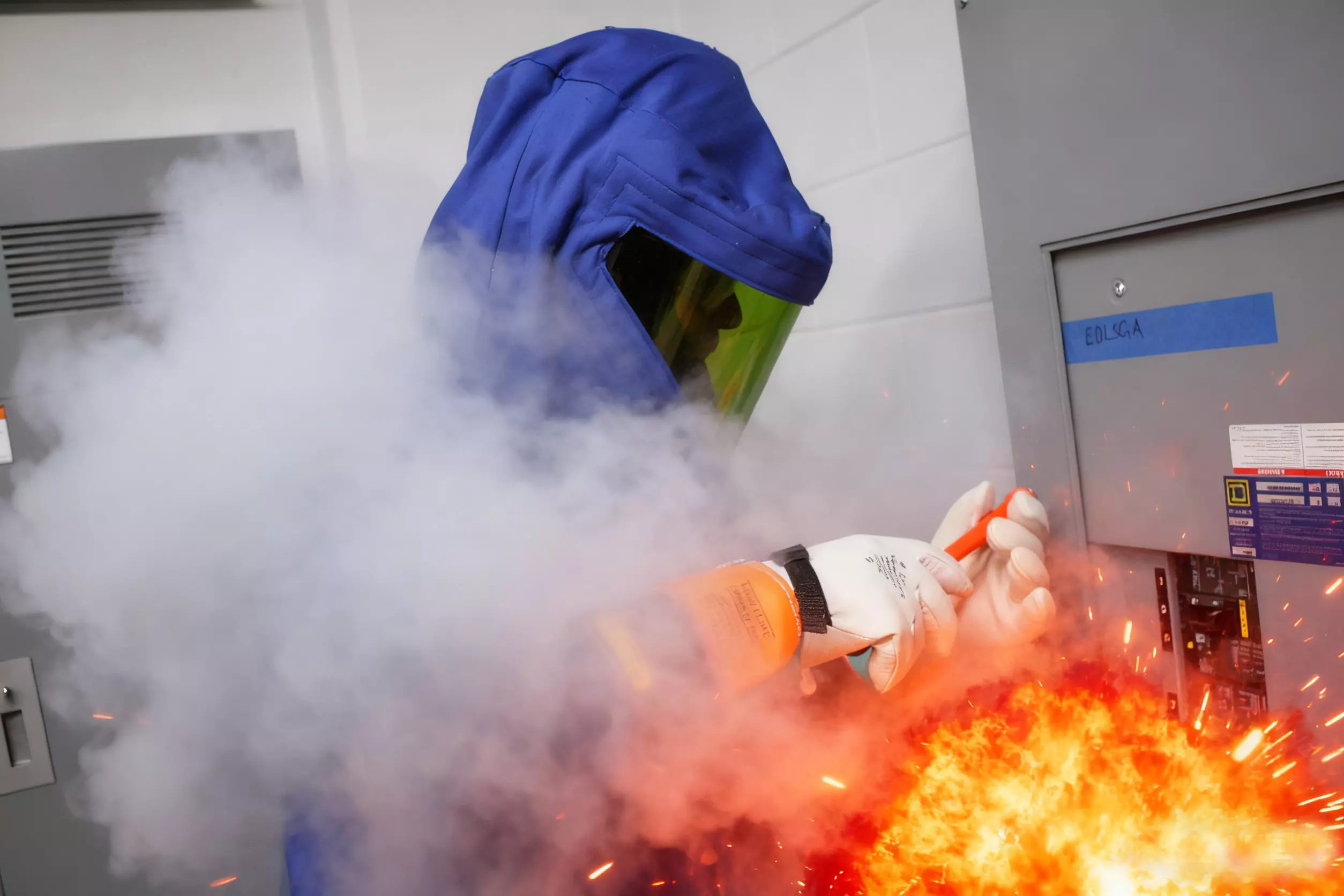
In electrical work environments, an arc flash is not a single hazard but a compound event involving the instantaneous release of multiple destructive forces.
Within milliseconds, extreme heat, intense pressure, and molten metal splash are generated simultaneously, posing catastrophic risks to the human body.
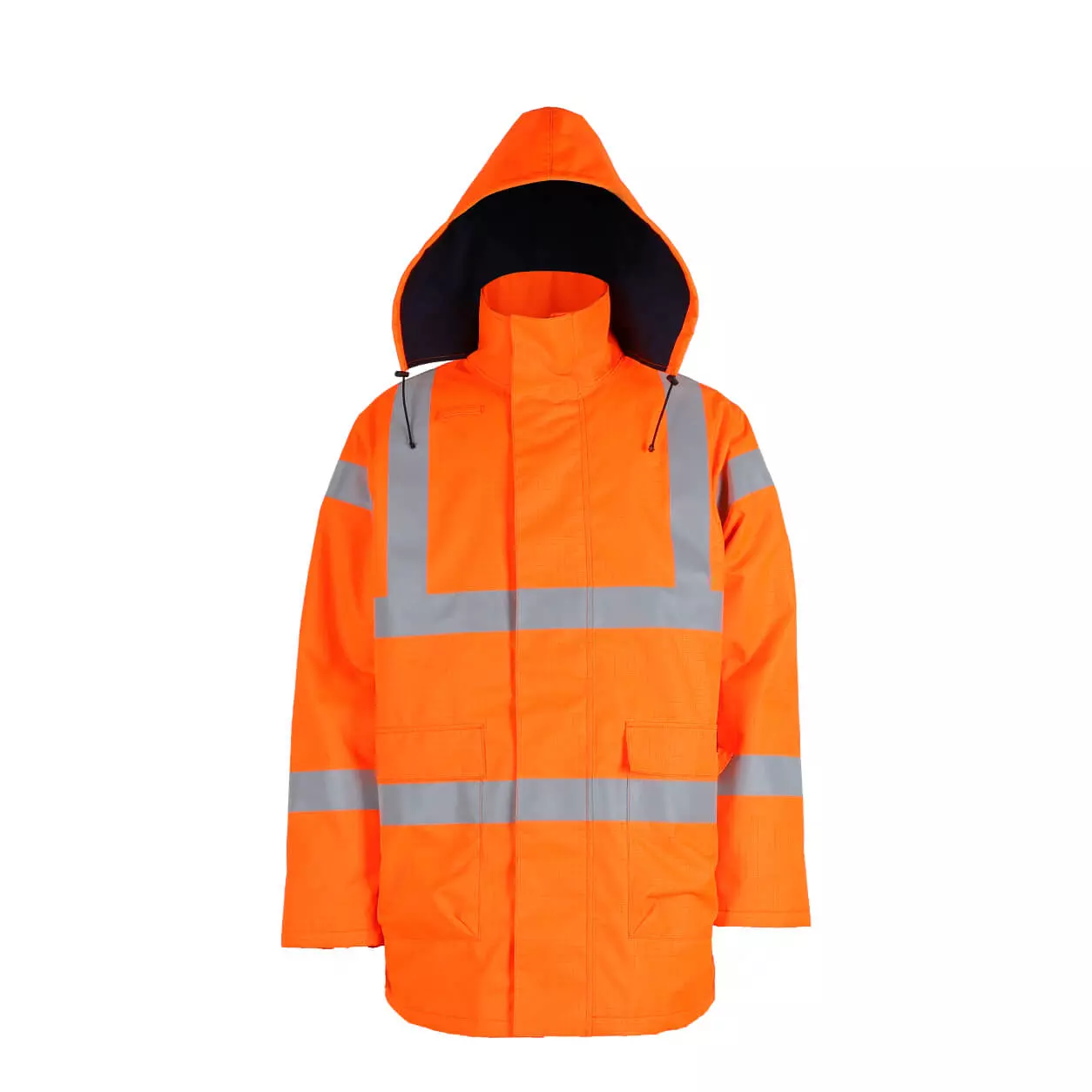
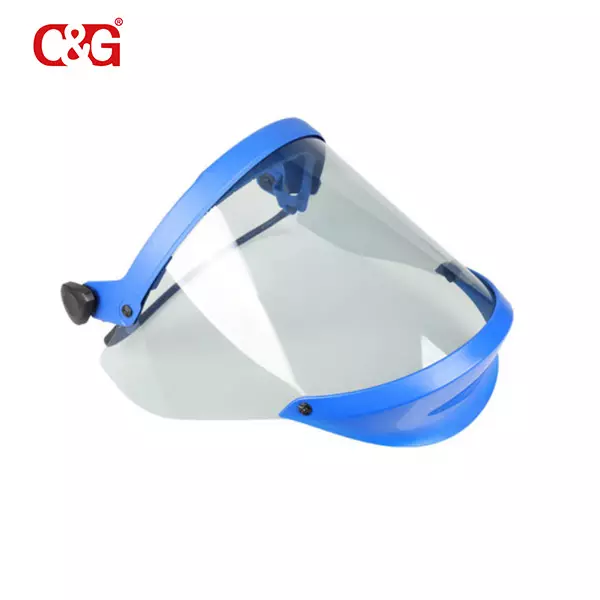
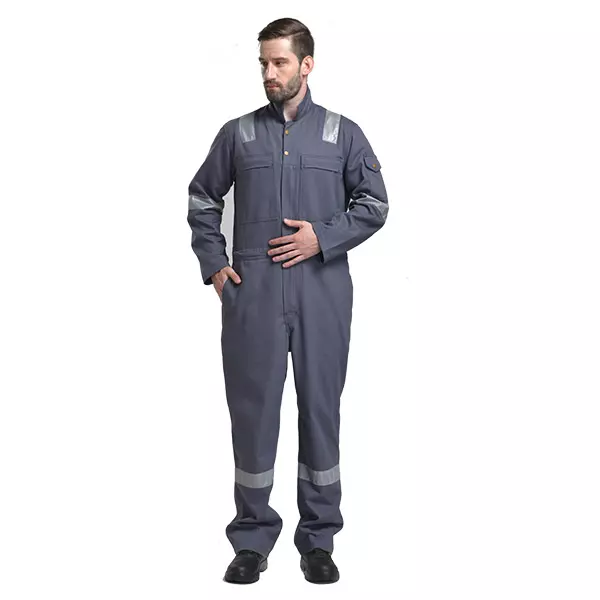
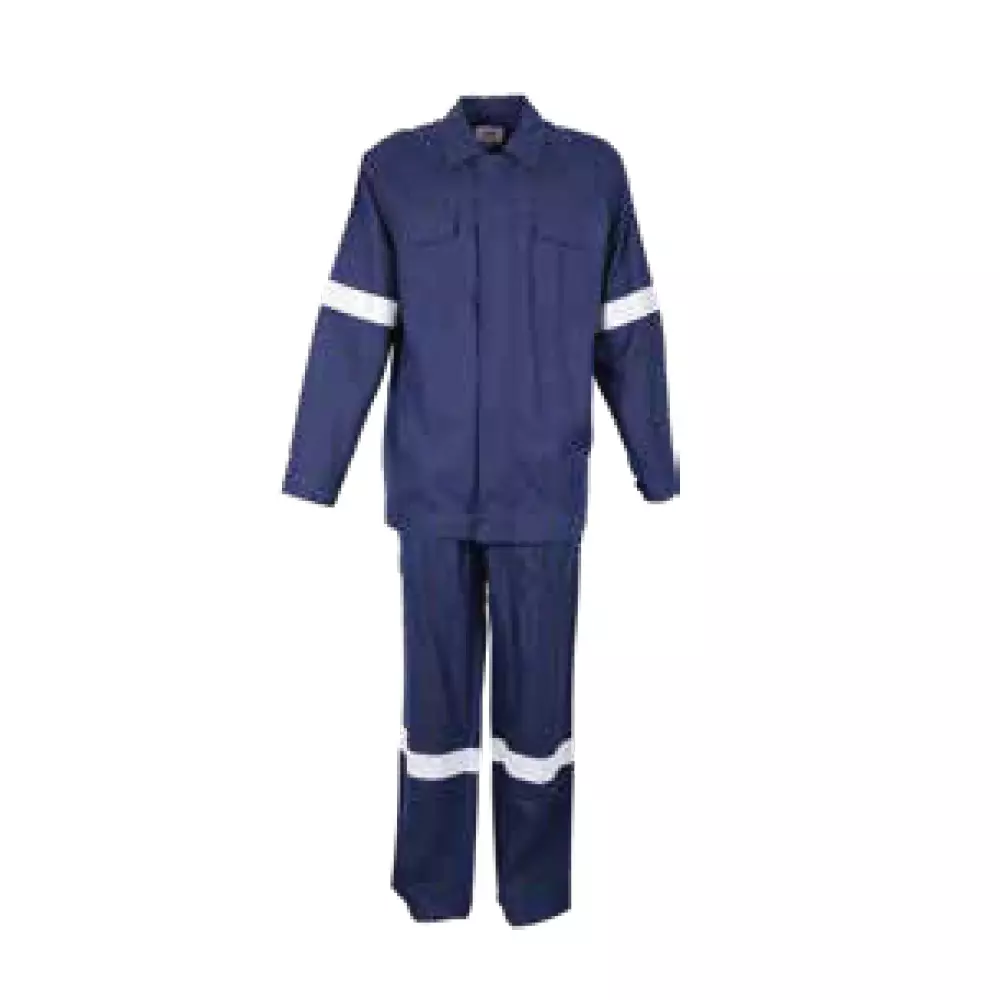
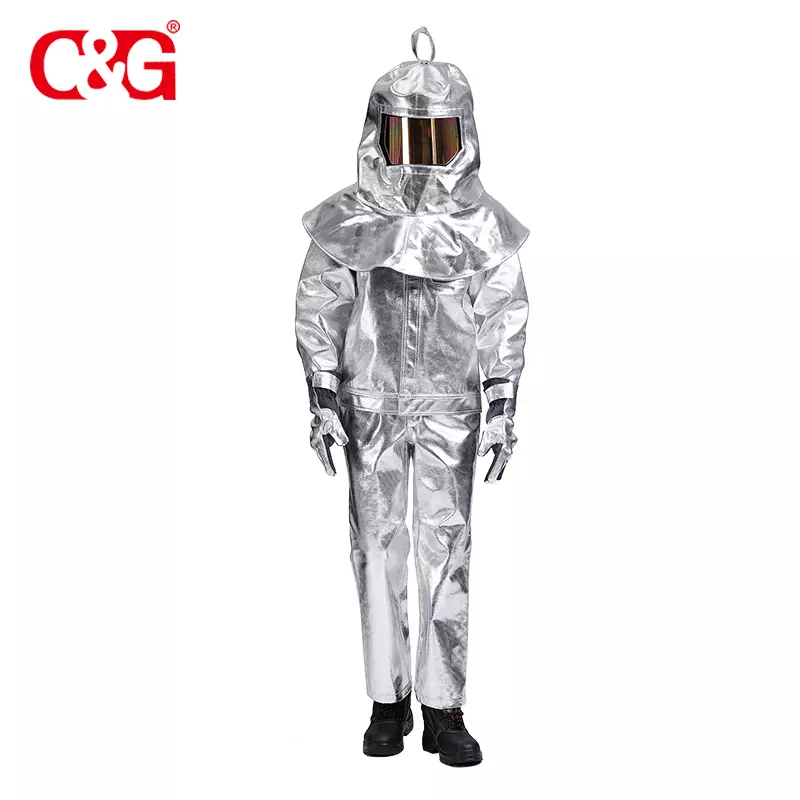
Arc flash clothing is engineered specifically to address this multidimensional threat.
Its purpose is not to “block” energy entirely, but to systematically reduce, disperse, and delay energy transfer along its path to the wearer.
To understand how arc-rated clothing works, one must first examine the three primary injury mechanisms produced by an arc flash.
The most immediate threat of an arc flash is intense thermal energy release.
Arc temperatures can exceed 10,000°C (18,000°F) at the core—hot enough to melt metal, ignite conventional fabrics, and cause severe burns in fractions of a second.
The objective of arc flash clothing is not to eliminate heat, but to:
Reduce heat transfer rate
Disperse thermal flux
Delay the time required for skin to reach burn injury thresholds
This is why ATPV / EBT ratings are critical—they define the incident energy level at which a 50% probability of second-degree burn exists.
High-performance arc flash garments typically use inherently flame-resistant fibers such as aramids and advanced FR fiber systems:
Fibers do not ignite, melt, or drip
Structural integrity is maintained under extreme heat
The fabric does not contribute additional fuel to the fire
As a result, the garment functions as a thermal barrier, rather than a secondary injury source.
An arc flash is not merely a flash of light—it is effectively an electrical explosion.
Within milliseconds, rapid air ionization and expansion generate:
Shock waves
Sudden high-pressure airflow
Explosive mechanical force
These forces can cause:
Garment rupture
Loss of balance or bodily displacement
Exposure of unprotected skin due to structural failure
Arc flash clothing must possess sufficient:
Tear resistance
Tensile strength
Structural stability
High-strength fiber construction ensures the garment remains intact during pressure shock, preserving continuous protection.
In higher arc ratings, layered systems are not simple fabric stacking but a controlled energy-management design:
Outer layers absorb primary impact
Intermediate layers dissipate kinetic energy
Inner layers maintain wearer protection
This progressive attenuation significantly reduces the direct impact of arc blast forces on the body.
In many arc flash incidents, the most severe injuries are not caused by radiant heat alone, but by high-velocity molten metal particles.
These particles exhibit:
Extremely high temperatures
Significant kinetic energy
Unpredictable trajectories
Standard textiles are easily penetrated or fused under such conditions.
Certified arc flash garments must ensure:
No melting under heat exposure
No dripping of molten material
No adhesive molten beads forming on the fabric surface
Failure in this area can transform the garment itself into a heat-transfer medium, dramatically worsening burn injuries.
Through:
High-density weaving
Stable fabric surface structures
Melt-resistant fiber systems
Arc flash clothing resists molten metal impact, preventing thermal and mechanical energy from reaching the skin.
The effectiveness of arc flash protection is never determined by one material or one rating alone. It is the result of a complete protective system, including:
Inherent flame resistance of fibers
Thermal performance (ATPV / EBT values)
Mechanical strength and durability
Layering and air-gap insulation effects
Proper garment fit, coverage, and design
A failure at any single point compromises the entire system.
An arc flash occurs in an instant.
Whether injury occurs depends on how much energy is reduced before it reaches the skin.
Arc flash clothing does not promise absolute immunity.
Instead, it provides what matters most during a critical moment:
Milliseconds of delay
Significant thermal energy reduction
A window for survival and escape
In the presence of arc energy, true protection is not about resisting force,
but about managing energy, dissipating it, and preventing direct transfer to the human body.
That is the fundamental purpose—and the true value—of arc flash clothing.
Tags:
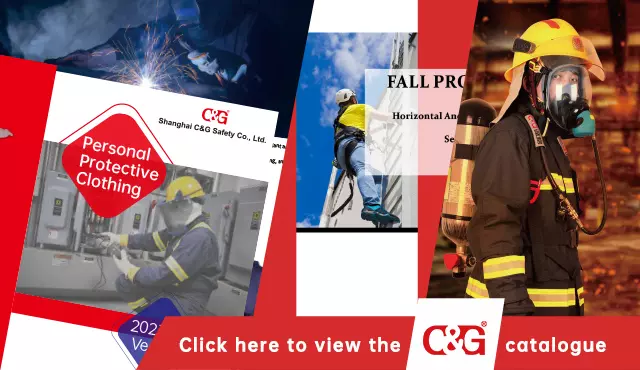
Shanghai C&G's personal protective clothing and PPE products are trusted by customers in the world. Our products are exported worldwide, with a strong presence in the United States, China, Japan, Germany, the United Kingdom, India, France, Italy, Brazil, and Canada. In addition, we have a significant customer base in other countries across each continent, including Australia, New Zealand, South Africa, Nigeria, and Egypt in Africa; Argentina, Chile, and Mexico in South America; Russia, South Korea, and Indonesia in Asia; Spain, Poland, and Turkey in Europe; and Saudi Arabia and the United Arab Emirates in the Middle East. Wherever you are in the world, we have the products you need to stay safe and protected. Contact us today to learn more about our products and how we can help you meet your safety needs.










Shanghai C&G is committed to building a leading brand in the safety emergency industry with technological innovation as the core and sustainable development, providing customers with one-stop safety emergency solutions, escorting the safety of customers, and make the world safer!
Building 39, Lane 123, Shenmei Road, Pudong New District, Shanghai, China
inquiry@cgprotection.com
+86-21-38214394


© 2023 Shanghai C&G. All Rights Reserved.